

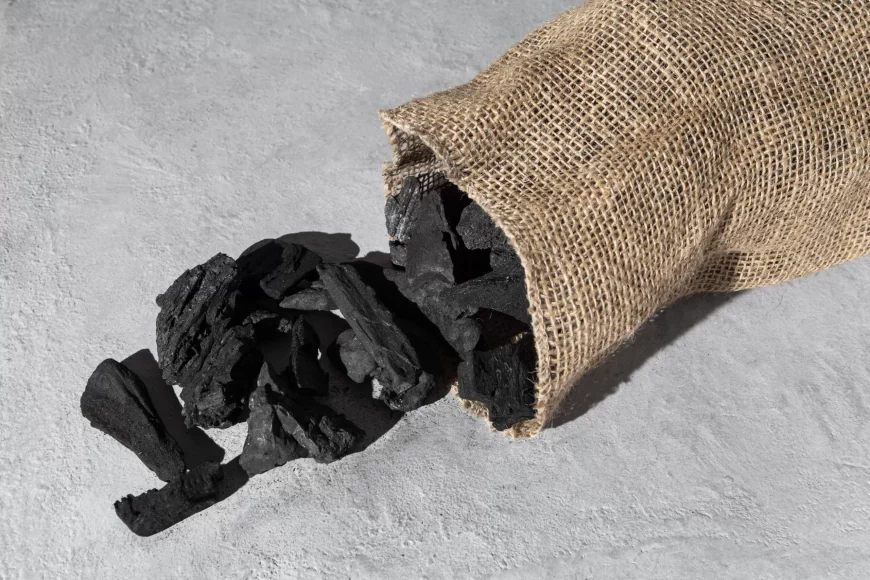
The Charcoal Burners of Busso: Life, Slow Tourism, and Passion Among Ancient Knowledge
In the heart of Molise, in the small town of Busso, an ancient tradition is passed down: that of the charcoal burners, a profession that requires passion and dedication but is now on the verge of extinction.
Here, among the woods and mountains, life moves at a slow pace, and the connection with nature becomes an essential part of the experience. It is in this context that Fernando Calabrese stands as a living example of this heritage.
Fernando Calabrese, one of the last charcoal burners of Busso, learned this craft from his ancestors and continues to practice it with the same care and passion that have characterized his family for four generations.
Day after day, Fernando travels through the forests of Molise, on a journey that is not only physical but also deeply spiritual, made of sacrifices and respect for nature.
An Ancient Tradition
The charcoal burner trade has deep roots, dating back centuries, when the production of charcoal was one of the main resources for heating and domestic use.
Molise, with its vast beech, fir, larch, and chestnut forests, was perfectly suited for this activity, which required skill, patience, and an intimate knowledge of nature’s rhythms.
Charcoal burners would collect wood from local forests, transforming it into charcoal through a slow controlled combustion process.
In Busso, the charcoal pits became meeting places, small worlds where physical labor intertwined with community stories and traditions, creating unbreakable bonds between people and the land.
The Art of Charcoal Burning: A Slow and Complex Magic
Fernando’s daily work is a ritual that blends ancient wisdom and expert gestures, allowing wood to transform into charcoal through a slow and meticulous process.
Building a charcoal pile requires precision and respect for nature’s timing. The first step is gathering the wood, which is stacked into a large cone, called ‘o catuozzo, covered with soil and leaves to control airflow and ensure a slow, steady burn.
Fernando’s presence by the charcoal pile is constant: the carbonization process requires continuous monitoring, meaning nights spent outdoors, eyes fixed on the flames, and nose attuned to every nuance of the wood’s scent.
Spring is the ideal time for this work, as the mild climate helps maintain proper combustion, making the process more manageable compared to the scorching summer or harsh winters.
An Immersive Slow Tourism Experience
Those who visit Busso and encounter Fernando have the chance to discover a different dimension of tourism, one made of slowness, authenticity, and complete immersion in nature.
Watching Fernando at work means not only observing an ancient craft but also experiencing an intense slow tourism adventure, where every gesture, every waiting moment, and every sacrifice tells a story of passion and belonging.
Walking through the forests with Fernando, listening to his stories around the charcoal pit, and savoring the silence broken only by the crackling fire are experiences that leave a lasting impact.
This is a form of tourism that goes beyond discovering places; it delves into the culture and historical memory of Molise.
Sacrifice and Rural Wisdom
The life of a charcoal burner is a tough one, softened by the passion for the craft and the human connections formed around the charcoal pile.
Fernando’s existence, marked by toil and commitment, reflects the serenity and optimism of someone accustomed to the challenges of rural life. Working as a charcoal burner means being in direct contact with nature, understanding its cycles, and respecting its rhythms.
In today’s world, dominated by digitalization and the pursuit of convenience, the charcoal burner trade seems to belong to a distant past, yet Fernando represents a bridge between past and present.
His face, lined with the marks of labor but lit by a warm and welcoming smile, conveys the pride of someone who has dedicated their life to a job that is more than a profession—it is a form of wisdom.
That rural wisdom, simple yet profound, is something one acquires only by living immersed in nature, and it is becoming increasingly rare and valuable.
Passing on the Passion
Despite the challenges and decline of this profession, Fernando Calabrese continues to pass down the craft to his children, including Mario, who often accompanies and assists him.
Observing Fernando at work means appreciating not only his technical skill but also the values he imparts: dedication, sacrifice, and the freedom to choose a life based on passion rather than external pressures.
Teaching his children the charcoal burner trade is an act of cultural resistance. Today, in a world where manual labor is often undervalued, Fernando demonstrates how passion can be the driving force behind a life of hard work.
Through the transmission of these values, charcoal burner Fernando hopes to leave a lasting mark and keep alive a tradition at risk of disappearing.
The Value of Manual Labor and Rediscovering Our Roots
The figure of the charcoal burner, now almost mythical, represents an example of how manual labor remains fundamental in our society.
In an era increasingly dominated by technology and remote work, it is essential to remember the role of those who work with their hands, who build the material foundations of society. The hands of charcoal burners, marked by fire and wood, tell a story of hardship but also of expertise and respect for the land.
The charcoal burner’s trade, with its slow rhythms and direct connection with nature, invites us to reflect on often-forgotten values, such as respect for the environment and the importance of manual labor.
Recovering these traditions does not mean merely preserving historical memory but also rediscovering a more sustainable way of living in harmony with the natural world.
The Ancient Art of Charcoal Burning: Passion, Sacrifice, and Tradition Between Fire and Nature
The charcoal burner trade, which for centuries characterized life in the forests of Molise, is now nearly extinct.
Thanks to people like Fernando Calabrese, however, this tradition continues to survive, despite the difficulties and challenges of the modern world.
His commitment to passing down this ancient art to new generations serves as a reminder of how important it is to preserve cultural heritage and the historical memory of a community.
Remembering the charcoal burners of Busso means honoring not just a profession but also the strength, dedication, and deep connection with nature that have shaped rural life in Molise for generations.
